
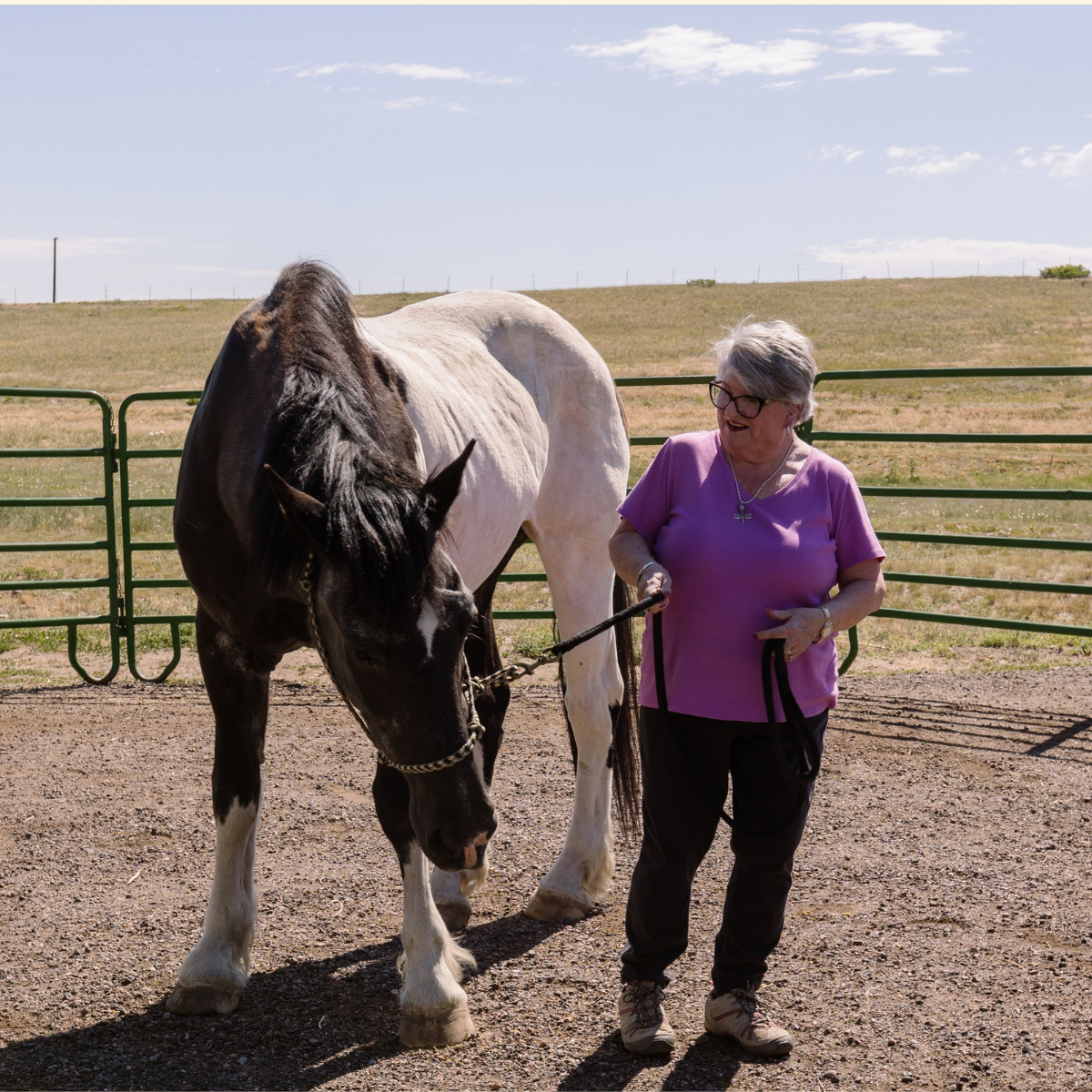
Nobody Fixed Me. I Just Stopped Performing.
Decades of being the fun one, the good girl, the woman who was "fine." Here's what happened when I finally hung up the costume.
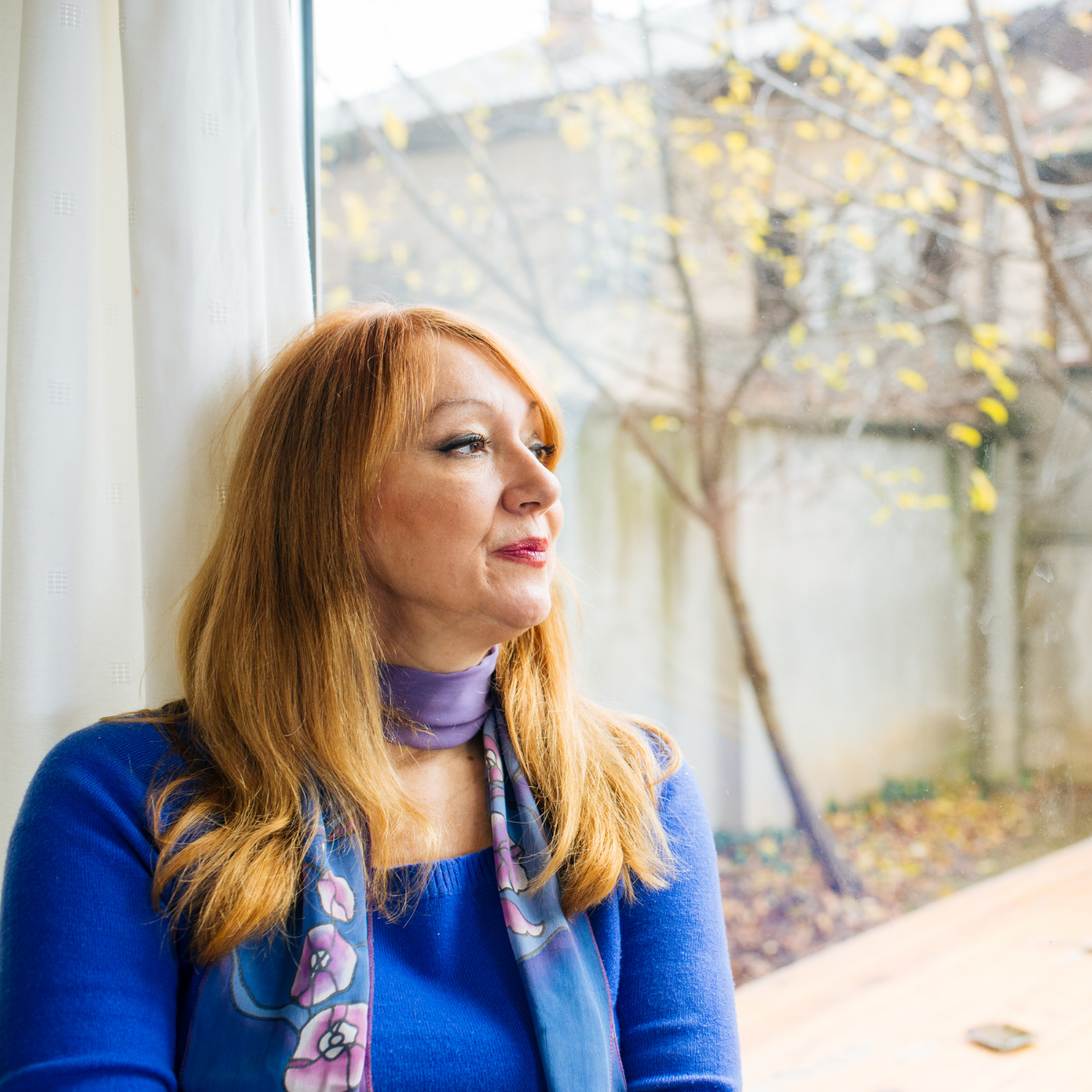
The Women Who Did Everything Right and Still Feel Like They're Failing
Good student. Straight A's. Valedictorian. Great employee. Great wife. Gold stars from one end of life to the other, and somehow it still wasn't enough. If that sentence just landed in your chest, here's the truth nobody told you: the problem was never you. It was the rules.

The Four Kinds of Fine (And Why You've Probably Never Been Asked Which One You Are)
Somebody asks how you're doing. You say fine. Nothing's being performed, nothing's being managed, nothing underneath needs translating. You said 'fine' because it's true, they move on, you move on. Nobody stops to ask which 'fine' you actually meant, because most people assume there's only one.
There isn't. There are at least four. And most women have spent decades cycling through all of them without ever being handed a way to tell which one they're in.
The Reload: Why Midlife Feels Like Starting Over (And Why That's Not the Problem You Think It Is)
The patterns running your life didn't form because you lacked information. They're not going to yield to a better morning routine either. Here's what actually moves them.

You Are Standing at a Threshold
Midlife transitions often place women in an uncomfortable in-between space where the old identity no longer fits, and the next chapter isn’t yet clear. This post explores why thresholds feel disorienting — and why navigating them with the right support can transform uncertainty into clarity.

Fire Needs Regulation, Not Suppression: Why Strong Women Burn Out Quietly in Midlife
Many strong women don’t lose their fire—they suppress it or struggle to control it. This post explores how midlife burnout often stems from unregulated strength and why learning to hold your fire differently restores clarity.

When Strength Starts to Feel Heavy in Midlife
When strength starts to feel heavy in midlife, it’s not weakness — it’s a nervous system signal. This post explores burnout recovery, regulation, and why pushing harder no longer works.

Fire Without Force: Wise Woman Power at 69
Midlife power isn’t about pushing harder. It’s about regulated strength. As I enter my 69th year in the Year of the Fire Horse, I’m redefining what real Wise Woman authority looks like.

Discernment Is a Midlife Skill: Why Your Capacity Is Changing
Midlife doesn’t just change your schedule. It changes your stress capacity. Here’s why discernment—not pushing harder—is the skill that matters now.

Coping vs. Regulating: How We Get Through Uncertain Times
There’s a difference between getting through something and recovering from it.
When the world feels unstable, many of us reach for whatever helps us function. We cope. We get up. We keep going. We do what we need to do to make it through the day, the week, the news cycle.

Why Everything Feels Loud Right Now (And Why That Matters)
When everything feels loud—news, expectations, emotions—it’s not a personal failure. It’s a nervous system responding to prolonged uncertainty. This piece explores why overwhelm shows up this way and why orientation, not action, is often the first step forward.

You Don’t Need a Plan Yet. You Need a Pause.
Midlife isn’t asking you to push harder or reinvent yourself again. It’s asking for a pause. This reflection explores why slowing down can feel uncomfortable, how nervous system regulation shapes life transitions for women over 50, and what horses reveal about moving forward without force.
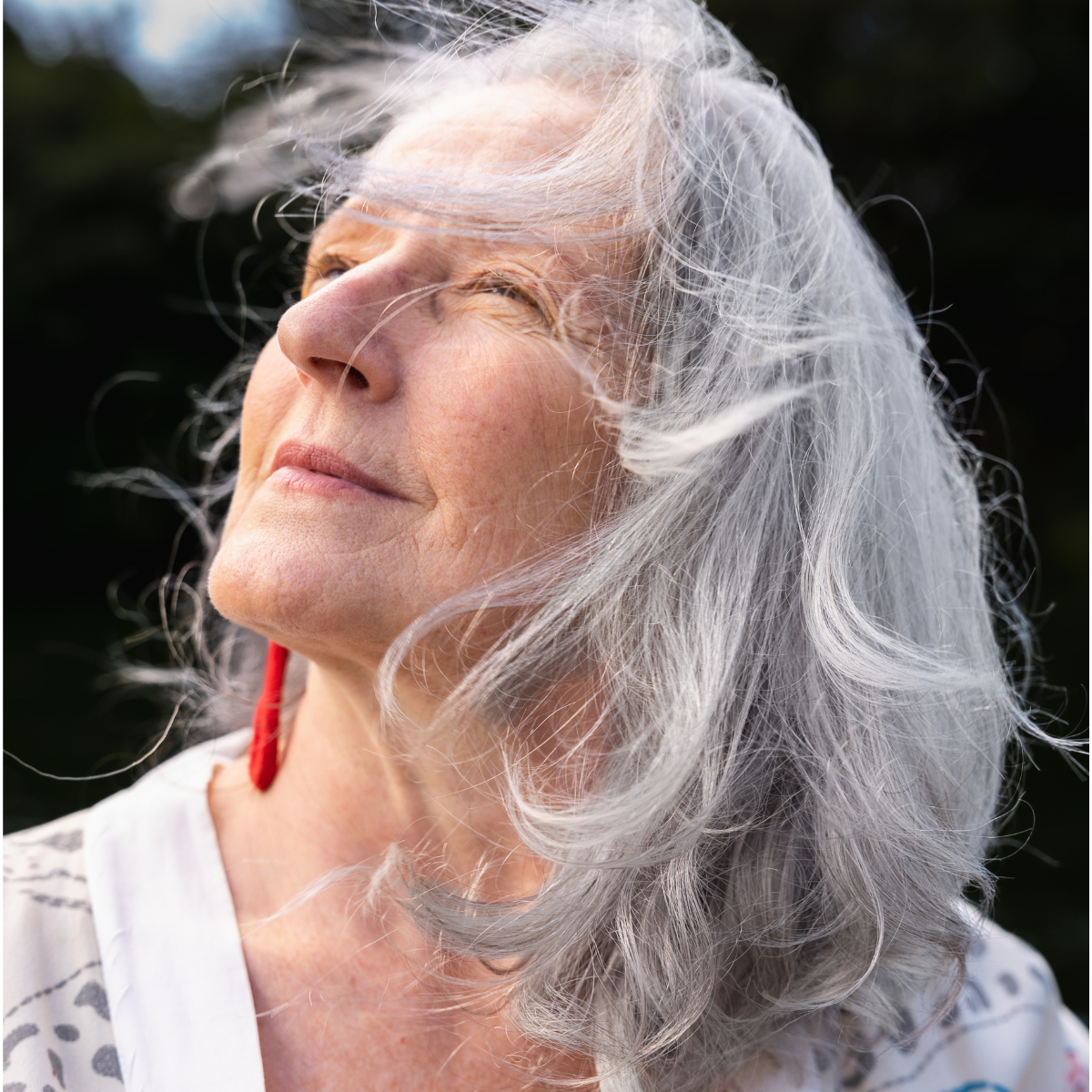
You Don’t Need Another Reinvention. You Need Permission to Be Done.
You don’t need another reinvention. You need permission to be done carrying what no longer fits, and the courage to choose what comes next on your own terms.

When Rest Still Feels Unsafe, Don’t Force It
If rest still feels uncomfortable or even unsafe, the answer isn’t to push harder. It’s to stop forcing something your nervous system doesn’t trust yet.

When You’re Not Broken, Just Bone-Tired
If January feels heavy instead of hopeful, you’re not doing it wrong. You’re not broken. You’re bone-tired from carrying more than your share for a very long time.

The Loneliness No One Talks About
If you feel lonely during the holidays, even surrounded by people, you’re not broken. This is the loneliness no one talks about, and it deserves compassion.

Why You Feel Overstimulated in December (Even If You’re Not Drinking)
If December feels overwhelming, loud, or exhausting, even when your life looks fine, your nervous system may be overloaded. Here’s why, and what actually helps.

When You Realize You’re Tired of Being “The Strong One”
If you’re tired of always being “the strong one,” you’re not alone. This blog explores the emotional labor women carry and what helps you finally put it down.

The Holiday Hangover You Can Feel Coming (And It’s Not About Alcohol)
You don’t need to drink in December to feel worn out. Here’s why the holiday season overwhelms your mind, body, and boundaries, and how to prevent the emotional hangover before it hits.

Why Your Drinking Feels Worse During the Holidays — And What You Can Do About It
If your drinking ramps up in December, there’s a damn good reason. The holidays hit every emotional nerve we’ve got. Here’s what’s really going on — and what you can actually do about it.